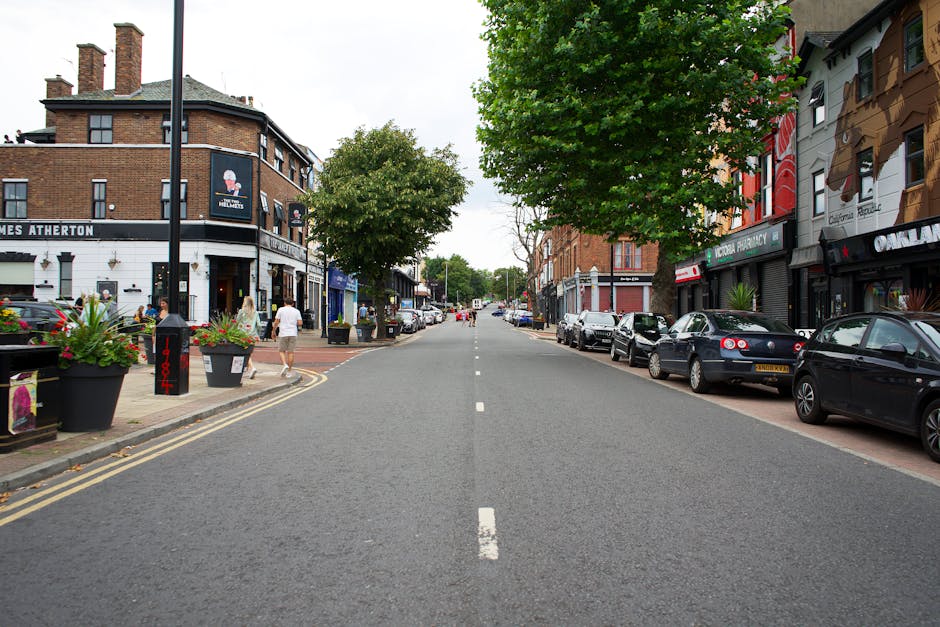
House removals High Street Colliers Wood parking and access tips
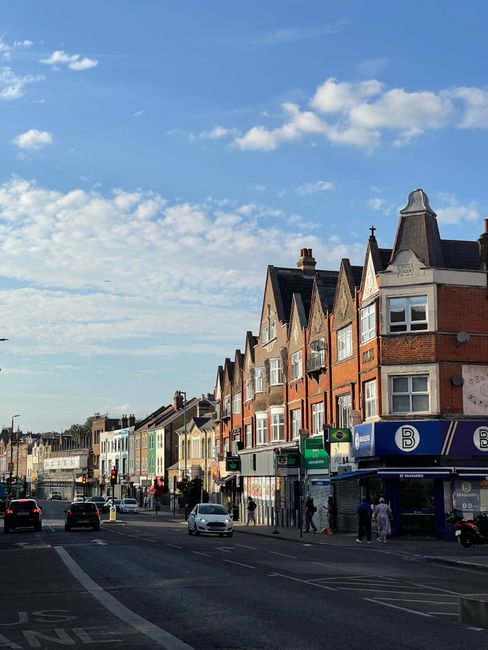
If you are planning a move on or near High Street in Colliers Wood, the biggest headache is often not the boxes. It is the parking. And then the access. A removal van that cannot pull in cleanly, a doorway that is awkwardly tight, or a staircase that seems to get narrower by the minute can turn a straightforward house move into a long, tiring day.
This guide brings together practical House removals High Street Colliers Wood parking and access tips so you can plan sensibly, avoid preventable delays, and keep everyone calmer on the day. Whether you are moving from a terraced house, a flat above a shop, or a property tucked just off the main road, the same principles apply: think ahead, measure properly, and leave less to chance than you might be tempted to. Truth be told, most moving problems are boring little logistics problems. Solved early, they stay boring.
We will walk through what matters, how the process works, the common mistakes people make, and the best ways to prepare your property and your vehicle access. You will also find a checklist, a realistic example, and a few decisions that make a surprisingly large difference on moving day.
Why House removals High Street Colliers Wood parking and access tips Matters
High Street locations tend to be busier, less forgiving, and more time-sensitive than quieter residential roads. That sounds obvious, but in removals work the obvious details are exactly where delays hide. A van that has to stop further away than expected means more carrying, more time, more fatigue, and a greater chance of damage. And if the access route includes a narrow pavement, awkward kerbs, or a shared entrance, the physical effort multiplies quickly.
In Colliers Wood, the movement of traffic, pedestrians, shopfront activity, and neighbouring vehicles can make a small access issue feel much bigger. A perfectly packed van is still only as good as the space you can legally and safely use outside the property. That is why a good move plan starts with parking, access, and the route between the van and the front door.
There is also a human side to this. If a removal crew has to keep improvising because nobody checked where the van can stop, the whole day becomes more stressful. You will notice it in the tone of the morning. People get rushed. Small mistakes happen. Someone forgets which room the kettle is in. Not dramatic, just annoying. Planning access properly keeps the day steady.
Expert summary: On busy roads, the best house move is usually not the one with the biggest van. It is the one with the clearest parking plan, the shortest carry distance, and the fewest surprises.
If you are combining removals with storage, it is also worth thinking about whether some items should go straight into secure space rather than being carried in and out twice. Services such as removals and storage or secure storage can reduce congestion on the day, especially if your new property is not ready all at once.
How House removals High Street Colliers Wood parking and access tips Works
The basic idea is simple: before moving day, you work out where the vehicle will stop, how long it may stay there, how people and furniture will move between the property and the van, and what might block that route. Simple, yes. Easy, not always.
Most moves on a high street follow a sequence like this:
- Assess the property frontage and nearby parking options.
- Check whether the van can stop close enough for safe loading.
- Measure doorways, hallways, stairs, and any tight corners.
- Decide which items should be loaded first and which need special handling.
- Prepare the property so the route is clear on the day.
- Keep the carry route as short, safe, and unobstructed as possible.
The access part is not just about the front door. It includes gates, steps, shared paths, lift access if you are in a flat, and even the angle of a driveway if the van needs to reverse or turn. In some homes, a small detail like a parked car across the road can change the whole flow of the move. A slightly awkward entrance becomes a much bigger task when carried furniture has to be turned, lifted, and navigated carefully in a narrow space.
For flat moves or mixed properties near the high street, people often underestimate the value of route planning inside the building. If you are moving out of an upstairs flat, a narrow staircase can be the real bottleneck, not the parking bay outside. In those cases, a service such as flat removals may be more appropriate than a generic van-and-box approach. The same is true for smaller loads, where small removals can be a better fit than sending a larger vehicle than you actually need.
You may also want to think about whether you need help with loading, lifting, or just getting from A to B. A simple man and van arrangement can suit lighter moves, but it still relies on the same access planning. The van size, parking position, and walking distance all matter. Always.
Key Benefits and Practical Advantages
Good parking and access planning is not glamorous, but it pays back quickly. Here is where the value shows up in practical terms.
- Less wasted time: the crew spends more time moving items and less time circling for space or making awkward trips.
- Lower risk of damage: a shorter, clearer route means fewer collisions with walls, banisters, door frames, and kerbs.
- Less physical strain: every extra metre matters when you are carrying furniture, appliances, or heavy boxes.
- Better traffic flow: if the van is positioned well, loading can happen steadily instead of in stops and starts.
- More predictable timing: easier access usually means a move that is closer to schedule.
There is also a quieter benefit: confidence. When you know the parking plan, the doorway measurements, and the loading route, you stop second-guessing everything. That helps on the day more than people realise. A move with confidence is usually a move with fewer mistakes.
If you are packing ahead of time, services like packing services can make the access stage faster too, because items are grouped more logically and labelled more clearly. A box marked "kitchen essentials" is easier to place than one filled with a random blend of pans, chargers, and a candle you forgot you owned.
Who This Is For and When It Makes Sense
This advice is useful for pretty much anyone moving in the Colliers Wood area, but it is especially relevant if your property sits on or near a busy road, you live above ground-floor level, or your parking options are limited. It also matters if the move has to happen at a tight time of day. Early morning can be calmer, but not always. Late afternoon can be trickier because traffic and pedestrians build up.
You will get the most benefit from this guidance if you are:
- moving from a terraced house with restricted frontage
- leaving a flat with shared access or stairs
- using a medium or large removal vehicle
- trying to move quickly between tenancies
- combining the move with temporary storage
- moving bulky furniture, white goods, or awkward items
It also makes sense if you are comparing moving options. Some people only need straightforward transport; others need a more complete service. If you are still deciding, it can help to compare removals with local removals and see which approach matches your property layout and load size. For larger homes or more complex moves, a full house removals service is often the safer choice.
Let's face it: the wrong service is often chosen because it sounds cheaper at first glance. Then the access problems appear, and the day gets expensive in time and effort instead.
Step-by-Step Guidance
Below is a practical process you can follow. It is not fancy, but it works. And on moving day, simple is usually best.
1. Survey the road and frontage before booking
Stand outside the property and look at the road as if you had never seen it before. Where could a van reasonably stop? Is there double yellow lining nearby? Are there loading restrictions or obvious pinch points? Even if you are not expected to know every local parking rule by memory, you can still spot the practical issues early.
2. Measure the access route inside and out
Measure door widths, hallway bends, stair turns, and any entrances that seem a bit tight. A sofa that looks fine in the living room can suddenly become a geometry problem when it meets a narrow turn in the hallway. It happens more often than people think. If there are steps, note how many and whether there is handrail support.
3. Decide where the van should park
The ideal is usually as close as possible without blocking traffic or creating a safety issue. Sometimes that means using a bay nearby. Sometimes it means a short walk from a legal stopping point. If the move is happening on a busy strip, build that extra walking time into the schedule rather than pretending it will somehow disappear.
4. Keep a clear loading lane
On the day, keep the route from the front door to the van free of bins, bikes, plant pots, loose rugs, and anything else that could snag a foot or a box corner. You do not want the first carton of books to meet a rogue umbrella stand. That is the kind of annoyance nobody needs at 8:10 in the morning.
5. Load in the right order
Heavier, sturdier items generally go first, with more fragile or frequently needed items loaded last. If the property is tight, prioritise the pieces that are hardest to manoeuvre. You want the awkward wardrobe out while everyone still has energy, not after three hours of shuffling smaller boxes.
6. Use storage if the move is split across dates
Sometimes access is easiest if everything does not have to arrive in one go. If there is a gap between leaving one place and settling into another, short-term storage can reduce pressure. Options like short-term storage, self storage, or even mobile self storage can help if your timing is awkward.
7. Confirm the plan the day before
Recheck the vehicle size, arrival window, access notes, and any special items. A quick confirmation call or message can prevent a silly mismatch between what was expected and what turns up. Small step, big relief.
Expert Tips for Better Results
Here are the small decisions that make a big difference. Some are obvious, some less so.
- Pre-clear the hallway the night before. If shoes, coats, recycling, and random bits are all still in the route, you will lose time first thing.
- Reserve attention for the awkward items. Mirrors, wardrobes, large TVs, and glass tabletops deserve a specific plan, not a vague promise to "be careful".
- Think about the weather. A damp pavement, muddy path, or drizzle can slow down loading more than you expect. A bit of extra covering is worth it.
- Use labels that actually help. "Kitchen - daily use" is better than "misc.". Not revolutionary, but useful.
- Keep the essentials separate. Documents, chargers, keys, medication, and a change of clothes should not vanish into the van pile.
- Take photographs of any tight access points. A quick picture of stairs or a narrow landing can help the crew prepare. Handy, really.
If your move includes items you would rather keep out of the way during the transition, furniture storage can be a sensible buffer. The same goes for business owners relocating home offices or paperwork from the property; document storage and business storage can simplify the handover.
Another small but valuable habit: walk the route once with your arms full of nothing. It sounds almost silly, but it makes you notice low shelves, sticky doors, and the place where someone always leaves a bag. Those little details matter more than people think.
Common Mistakes to Avoid
Most moving problems come from avoidable assumptions. Here are the big ones.
- Assuming the van can stop right outside. On a busy street, that is often not the case.
- Forgetting about stairs or turns. A straight hallway is one thing. A twisty staircase is another.
- Ignoring loading time. If access is harder, the schedule needs to reflect that.
- Leaving furniture assembled without checking if it will fit. Sometimes partial disassembly is the difference between smooth and stuck.
- Not preparing for other road users. Pedestrians, cyclists, delivery vans, and neighbours all shape the space around your move.
- Choosing a van that is too large or too small. Too large can be hard to park; too small means more trips. Neither is ideal.
One classic mistake is underestimating how tiring repeated short carries can be. Three metres does not sound like much. Then you do it fifty times with a box of plates and another box of books and suddenly, well, your shoulders have a view of their own.
Also, do not assume that because a move is local it will be easy. Local often means familiar, yes. But familiar roads can be deceptive. You notice the congestion more when you are trying to work around it with a van and a deadline.
Tools, Resources and Recommendations
You do not need a truckload of specialist gear to improve access planning, but a few simple tools are genuinely useful:
- Measuring tape: for doors, stair turns, furniture dimensions, and vehicle clearance checks.
- Floor plan or rough sketch: helpful for marking where larger items will sit and where they need to pass.
- Labels and marker pens: not glamorous, but essential for an organised load.
- Blanket wraps and straps: useful for protecting furniture on awkward carries and in the vehicle.
- Bin bags and boxes for last-minute clutter: ideal for clearing the route quickly.
There are also service options worth thinking about if your situation is a little more layered than average. For example, if you need a straightforward transport solution for a smaller load, small removals may be enough. If you need the whole move handled from start to finish, removals and storage can create more breathing room. And if the move is tied to a workplace change rather than a home move, office removals and office storage may be relevant instead.
For many households, a realistic service choice is the one that matches the property, the access, and the volume of items rather than the one that sounds biggest. That sounds obvious. Still, people get it wrong every week.
Law, Compliance, Standards, or Best Practice
When parking and access are part of a move, the safest approach is to follow local parking rules, keep pavements clear where possible, and avoid blocking traffic or creating hazards for pedestrians. You do not need to be a legal expert to make sensible choices, but you do need to be careful. If parking restrictions apply, check them in advance rather than guessing on the morning.
Best practice in removals also means safe lifting, sensible load distribution, and keeping access routes free from trip hazards. If the property has steps, shared entrances, or narrow landings, a good removals plan will take those into account from the start. That is where a proper company approach matters. Services should be delivered with care, and the crew should work in line with sensible health and safety expectations. If you want to see how a provider frames that approach, it can be useful to review their health and safety policy and insurance and safety information.
For customers, the practical takeaway is simple: do not place boxes where they create trip risks, do not block common areas, and do not assume that a quick stop is automatically acceptable. In shared buildings or tight high street settings, good manners and good planning usually go together. A bit of patience helps too. Moving days can be noisy and slightly chaotic. That is normal.
If you are using a professional service, it is also sensible to read the terms and conditions and understand how bookings, timings, and responsibilities are handled. Clear expectations reduce hassle later. No one likes surprises in a move, apart from maybe finding a forgotten tenner in a coat pocket.
Options, Methods, or Comparison Table
Not every move needs the same setup. The table below compares common approaches for House removals High Street Colliers Wood parking and access tips situations.
| Option | Best for | Strengths | Watch out for |
|---|---|---|---|
| Full house removals | Larger homes, mixed furniture, full household moves | Comprehensive, structured, better for complex access | Needs more precise parking and timing coordination |
| Man and van | Smaller loads, lighter moves, short distances | Flexible and often efficient | Can still struggle with tight parking or awkward carry routes |
| Local removals | Nearby moves with moderate volume | Good balance of convenience and support | Needs local road and parking awareness |
| Removals plus storage | Staged moves, delayed completions, decluttering | Reduces pressure on the property and timeline | Requires planning what goes into storage and when |
If your access is particularly awkward, a combined approach can be the calmest option. You move what needs to be immediate, store what does not, and avoid trying to make one day do everything. That alone can save a lot of stress.
Case Study or Real-World Example
Imagine a family moving from a first-floor flat just off High Street into a nearby house. The flat has a narrow staircase, a shared entrance, and very little waiting space outside. The removal van cannot park directly at the door because the road is busy for much of the morning, so the team has to work with a short but continuous carry distance from a legal stopping point.
At first glance, the move looks simple because the new home is only a short distance away. But once the details are checked, a few issues appear: a wardrobe that will not turn cleanly on the stair landing, boxes that need to be held back from the main walkway, and a sofa that should be dismantled before the move rather than after it has already blocked the hall. Nothing dramatic. Just a chain of small practical choices.
By planning the access route, clearing the hallway the night before, and separating a few awkward items for storage, the family turns a potentially messy day into a manageable one. The van still has to park a bit further away than they hoped. Of course it does. But because the plan accounts for that, nobody is surprised, and the move stays on track.
This is a good example of how access planning is not about perfection. It is about reducing friction. A move with fewer surprises feels shorter, even when the clock says otherwise.
Practical Checklist
Use this checklist in the days before your move. It is deliberately practical and a bit blunt, which is often what you need.
- Confirm the moving date, arrival window, and property access details.
- Check parking options near the property and note any restrictions.
- Measure doors, stairs, lifts, hallways, and any awkward bends.
- Decide whether any furniture needs dismantling in advance.
- Clear the route from room to front door.
- Keep valuables, documents, and essentials separate.
- Label boxes clearly by room and priority.
- Protect floors, banisters, and fragile corners if needed.
- Set aside items for storage if the move is being split.
- Review safety details and any booking terms before the day.
If you want extra reassurance before booking, the company pages on about us, pricing and quotes, and contact us can help you understand how enquiries are handled and what to expect next. It is always better to ask a few plain questions than to guess and hope.
Get a free quote today and see how much you can save.
Conclusion
House removals on High Street in Colliers Wood are rarely difficult because of one huge problem. More often, they become difficult because of several small ones: parking that is not quite right, access that is tighter than expected, and timing that slips by a little at a time. Put those three together and a move gets tiring fast.
The good news is that all of this can be managed. A measured route, a realistic parking plan, clear communication, and the right service choice will usually make the day much smoother. If you remember nothing else, remember this: the shortest safe route is usually the best route. Not the flashiest. Not the most optimistic. The best.
Handled well, a move becomes a sequence of manageable steps instead of one long scramble. And that, honestly, is what most people want. A clean start, fewer surprises, and enough energy left at the end of the day to put the kettle on.
Frequently Asked Questions
What should I check first for a house move on High Street in Colliers Wood?
Start with parking, loading access, and the shortest safe route from the property to the van. After that, check door widths, stairs, and any shared entrances. Those are the details that usually shape the day.
Do I need to reserve parking for a removals van?
Sometimes, yes, depending on where the property is and what restrictions apply. Even when formal reservation is not available, you should still plan where the van can legally stop and what the backup option is if that space is taken.
How far should the van be from the front door?
As close as safely and legally possible. The shorter the carry distance, the easier and safer the move usually is. But a slightly longer legal stop is far better than an unsafe or blocked position.
What if the staircase is narrow or awkward?
Measure it properly, identify the tight turns, and consider whether large items should be dismantled. For awkward flats or upper floors, a service such as flat removals is often more suitable than a basic transport-only approach.
Is a man and van service enough for a Colliers Wood house move?
It can be, if the load is modest and access is straightforward. If you have larger furniture, more boxes, or a tricky parking situation, a fuller removals service may be a better fit.
What are the biggest mistakes people make on moving day?
The biggest ones are assuming the van can park right outside, leaving access routes cluttered, and underestimating the time it takes to carry items from the property to the vehicle. Those three alone cause a lot of stress.
How can storage help with access problems?
If the move is split across dates or the new property is not ready for everything, storage can reduce pressure. It means fewer items on site at once, which makes loading, unloading, and room placement much easier.
Should I dismantle furniture before the removals crew arrives?
If the item is bulky or likely to get stuck on a turn, yes, it is often sensible to dismantle it in advance. At the very least, check with the crew so everyone knows which pieces need special handling.
What should I do if the road is busy all day?
Build extra time into the plan, keep the loading route clear, and be ready for the van to stop a little further away than ideal. On busy roads, flexibility matters. A calm pace is usually safer than rushing.
Are parking and access issues covered in removals quotes?
Not always in the same way, which is why it is worth explaining your property clearly when asking for a quote. Details about stairs, road restrictions, and carry distance help avoid misunderstandings later.
What if I need a small move rather than a full house removals service?
That is very common. If you only have a limited number of items, small removals may be more appropriate and more efficient than booking a larger move than you need.
How do I know whether removals and storage is the right option?
If your move is happening in stages, if there is a gap between properties, or if you want to reduce clutter before moving in, then removals and storage can be a very practical solution. It is especially useful when access is limited and the timing feels tight.
What is the simplest way to make moving day less stressful?
Clear the route, confirm the parking plan, label boxes properly, and keep essentials separate. Those basics do most of the heavy lifting. The rest is just getting everyone in the same rhythm, which is easier said than done, but absolutely possible.